Exhibit Formats

Booth Types for Tampa exhibitors and event teams

Trade Show Services of Tampa connects the chosen booth format to venue fit, staffing, compliance, and the level of planning that usually protects the show.

Booth Types

Booth format

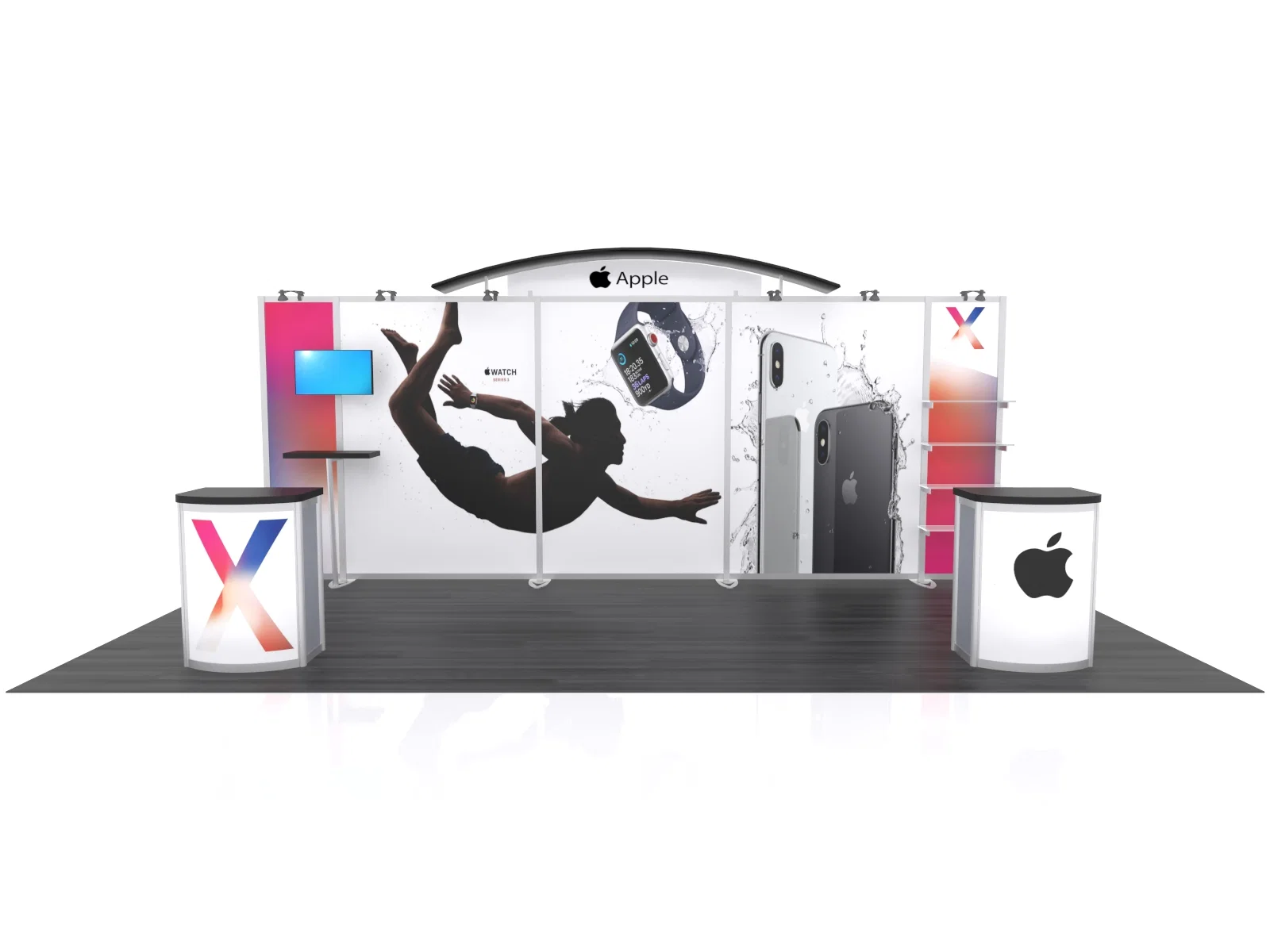
Inline Booth Displays

Inline Booth Displays works when the team budgets around reusability, install complexity, and field-readiness rather than only the front-end build number instead of only the most visible front-end pieces.

Booth format

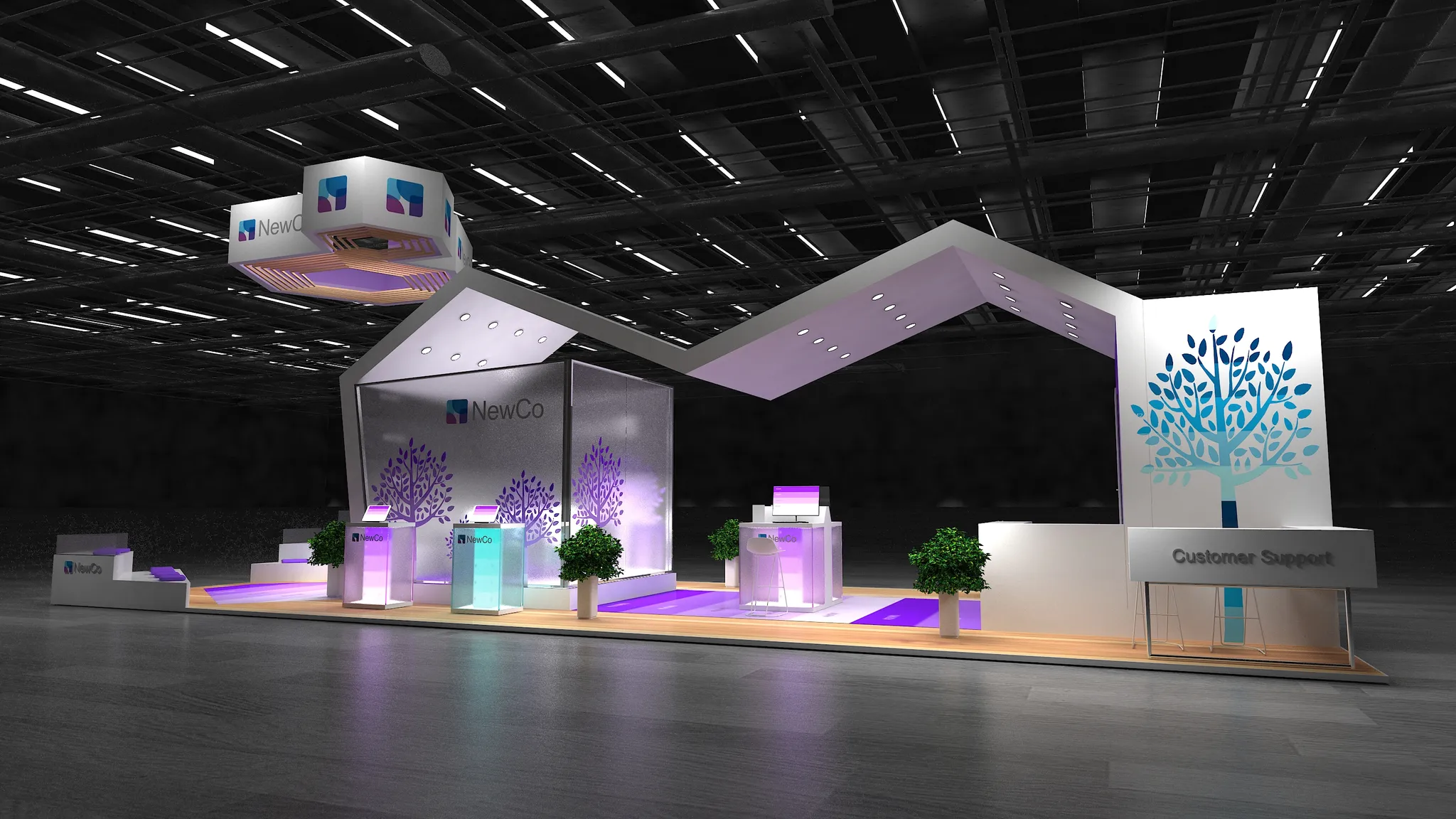
Island Exhibit Booths

Island Exhibit Booths works when the team budgets around reusability, install complexity, and field-readiness rather than only the front-end build number instead of only the most visible front-end pieces.

Booth format

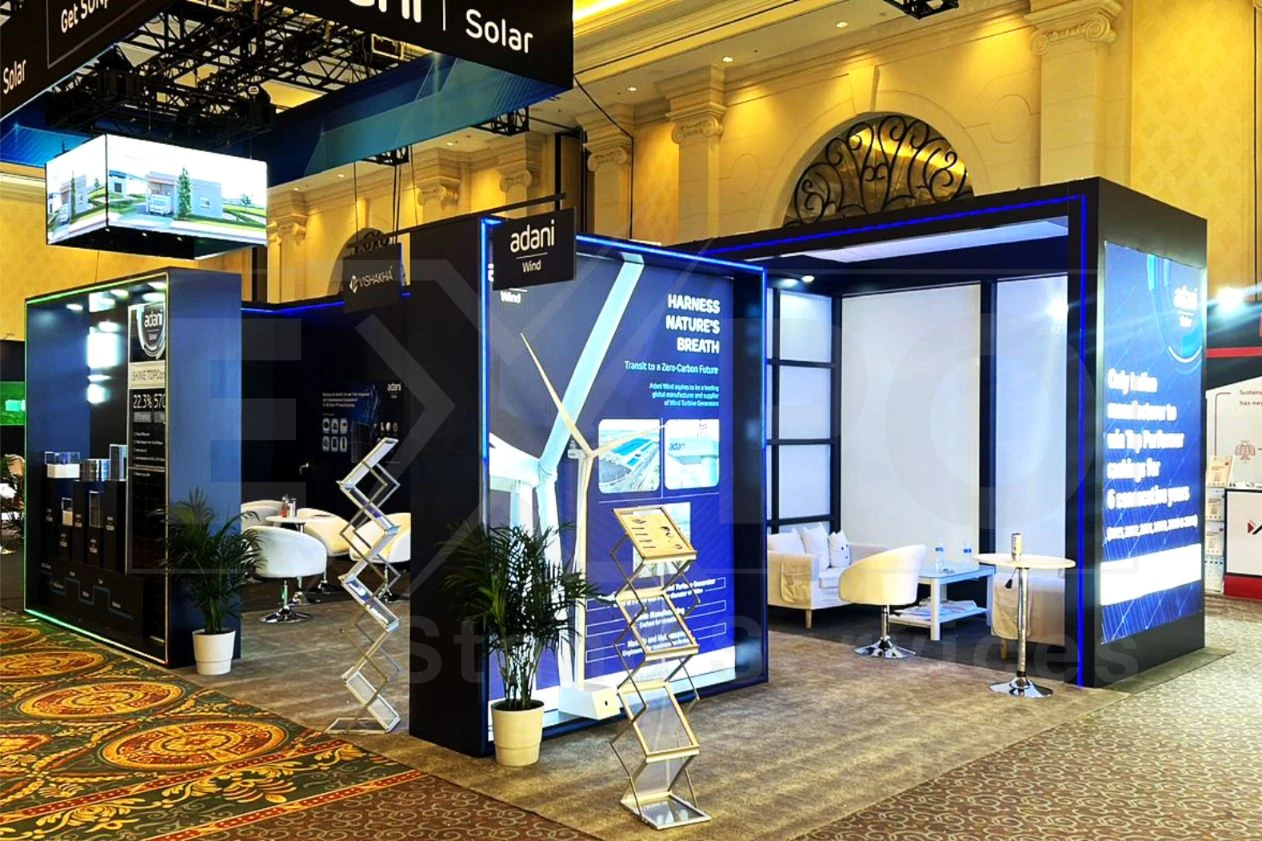
Modular Trade Show Booths

Modular Trade Show Booths should lead to a booth that opens cleanly and is easier to reuse or recover, not to a booth or event concept that looks specific but operates loosely.

Booth format

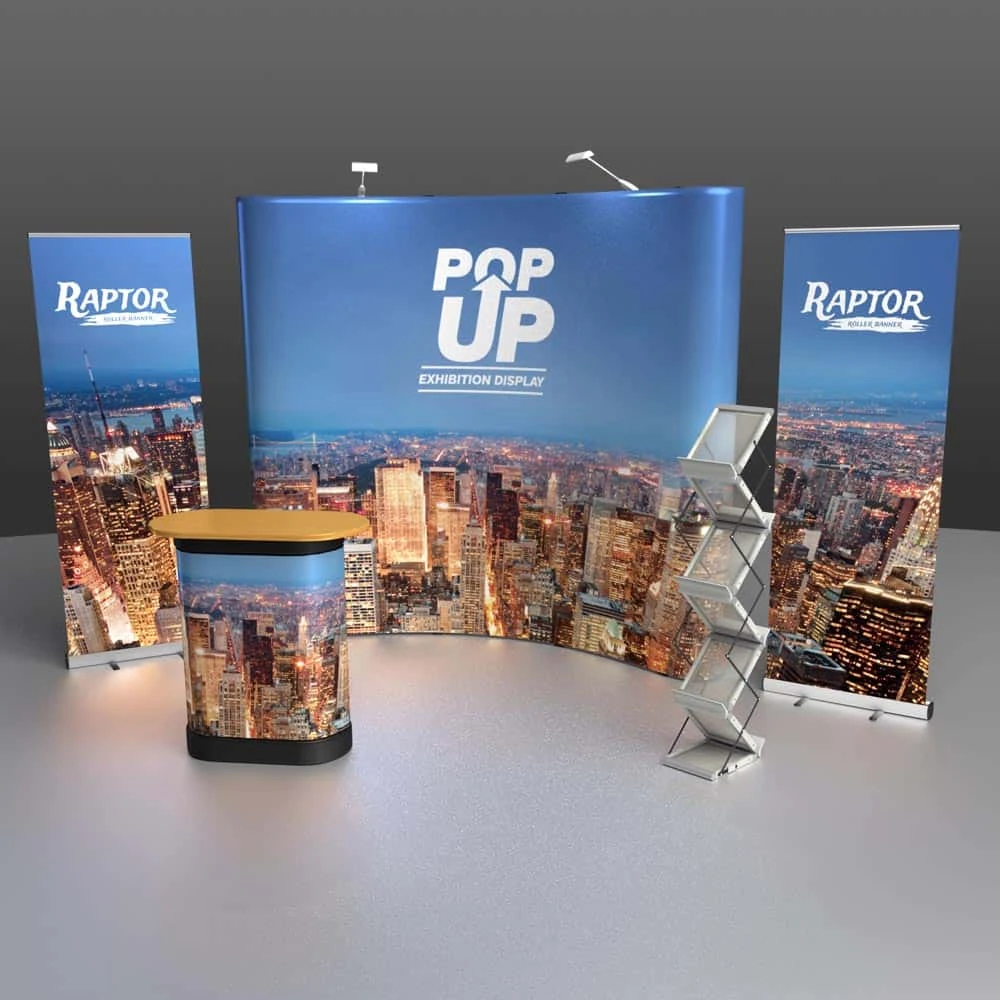
Portable Trade Show Displays

Portable Trade Show Displays works when the team budgets around reusability, install complexity, and field-readiness rather than only the front-end build number instead of only the most visible front-end pieces.

Booth format

Custom Exhibit Booths

Custom Exhibit Booths should lead to a booth that opens cleanly and is easier to reuse or recover, not to a booth or event concept that looks specific but operates loosely.

Booth format

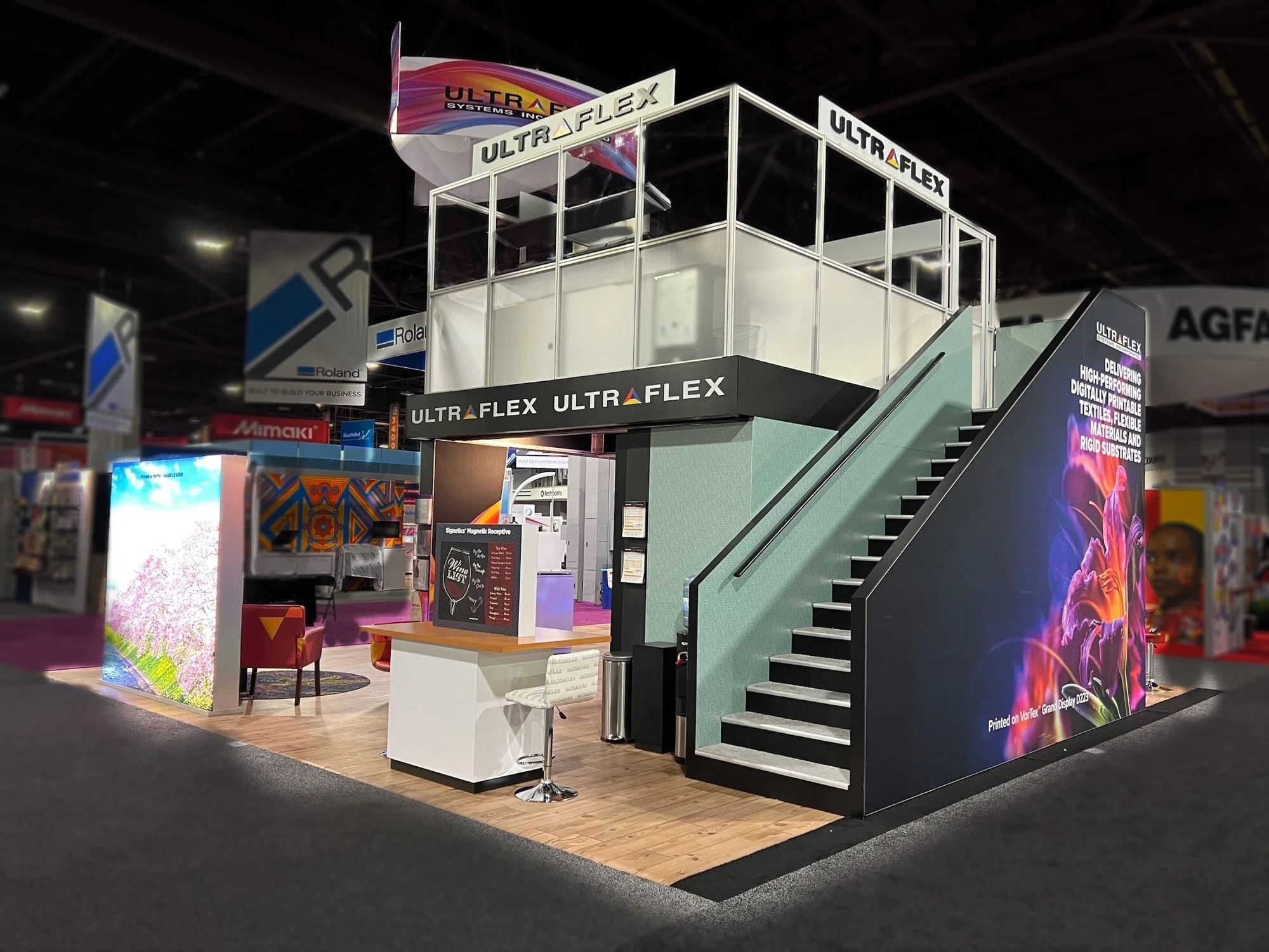
Double-Deck Exhibits

Double-Deck Exhibits changes staffing, timing, and buyer expectations because it changes how the exhibit footprint, fabrication level, graphics package, and install path fit the actual room instead of the pitch deck.

Booth format

Rental Exhibit Booths

Rental Exhibit Booths changes staffing, timing, and buyer expectations because it changes how the exhibit footprint, fabrication level, graphics package, and install path fit the actual room instead of the pitch deck.

Booth format

Conference Booth Displays

Conference Booth Displays should lead to a booth that opens cleanly and is easier to reuse or recover, not to a booth or event concept that looks specific but operates loosely.

Booth format

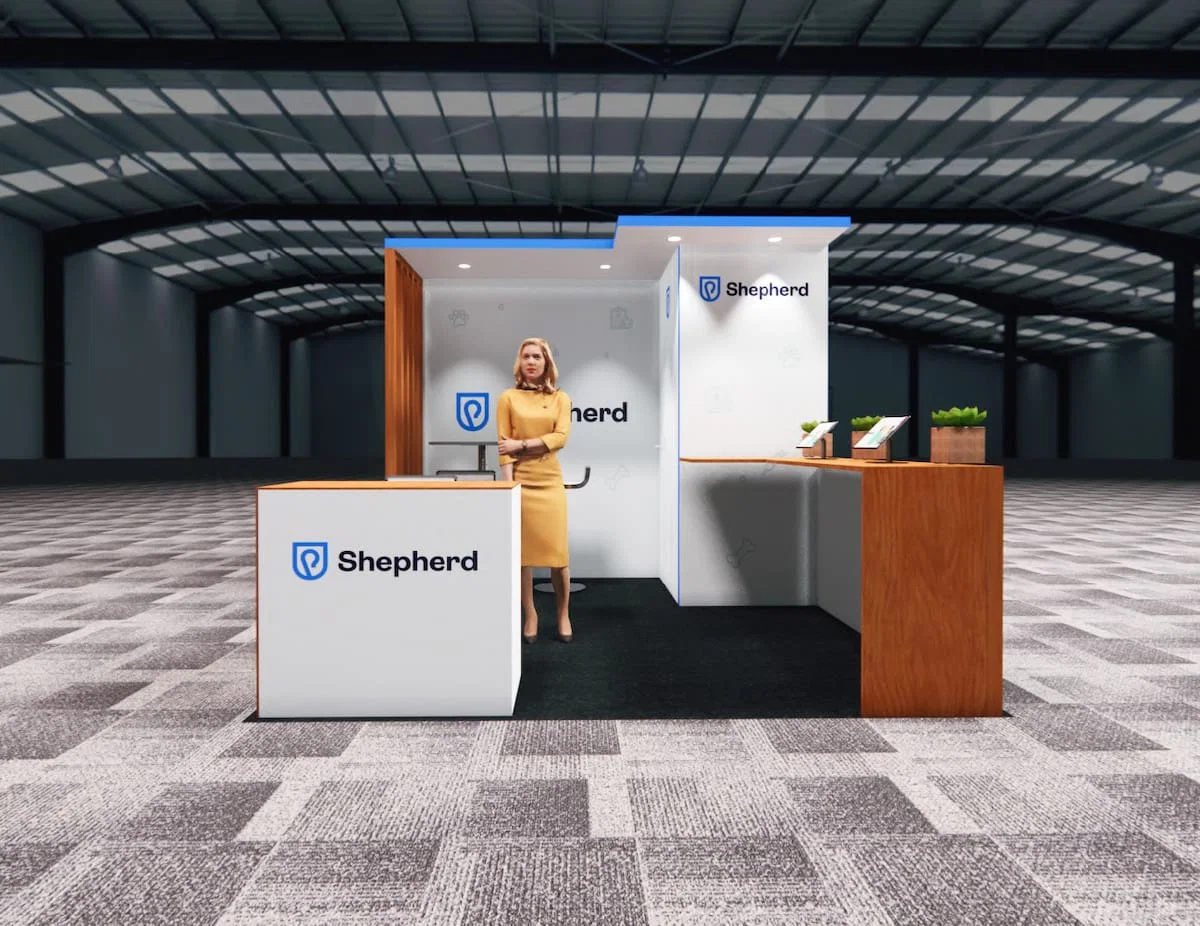
10x10 Trade Show Booths

10x10 Trade Show Booths changes staffing, timing, and buyer expectations because it changes how the exhibit footprint, fabrication level, graphics package, and install path fit the actual room instead of the pitch deck.

Booth format

10x20 Trade Show Booths

10x20 Trade Show Booths changes staffing, timing, and buyer expectations because it changes how the exhibit footprint, fabrication level, graphics package, and install path fit the actual room instead of the pitch deck.

Booth format

20x20 Trade Show Booths

20x20 Trade Show Booths should lead to a booth that opens cleanly and is easier to reuse or recover, not to a booth or event concept that looks specific but operates loosely.

Booth format

Backlit & LED Displays

Backlit & LED Displays works when the team budgets around reusability, install complexity, and field-readiness rather than only the front-end build number instead of only the most visible front-end pieces.

Booth format

Banner Stands & Retractable Displays

Banner Stands & Retractable Displays should lead to a booth that opens cleanly and is easier to reuse or recover, not to a booth or event concept that looks specific but operates loosely.

Booth format

Table Top Displays & Throws

Table Top Displays & Throws changes staffing, timing, and buyer expectations because it changes how the exhibit footprint, fabrication level, graphics package, and install path fit the actual room instead of the pitch deck.

Booth format

Backwall & Backdrop Displays

Backwall & Backdrop Displays works when the team budgets around reusability, install complexity, and field-readiness rather than only the front-end build number instead of only the most visible front-end pieces.

Tampa as a trade show city

Tampa as a trade show city

Trade shows in Tampa move fast. Major venues book out months in advance, freight windows run tight, and the exhibitors who win their weeks are the ones who arrive with a plan already in hand.

The attendees vary by show — some weeks draw regional operators, others pull international buyers in for a single conference — but the floor mechanics stay consistent. Every booth needs graphics production, show services, labor calls, and a plan for the specific building it's landing in.

Where Tampa shows actually happen

Where Tampa shows actually happen

The building matters more than almost anything else in a trade show plan. A few Tampa venues carry most of the calendar.

Across the Tampa venue set, what changes between buildings are the labor model, the rigging approval path, the drayage setup, and the published move-in window. The plan has to match the specific building.

Who handles what during the Tampa install window

Who handles what during the Tampa install window

Most of what goes wrong on a Tampa install traces back to assumptions about labor. Staying inside the venue's published rules for the specific show prevents it.

The workable version of Tampa labor planning is boring on purpose: read the manual, match the scope to its categories, order what the venue sells directly, and schedule everything else around its posted windows. Surprises almost always trace back to a step someone skipped.

Planner questions

Booth Types planning questions

Do you work at Straz Center for the Performing Arts?

Yes. The Straz Center as Tampa Bay’s home for Broadway tours, opera, music, comedy, dance, theater, and more. For trade show and conference planners, it is a relevant downtown option for galas, keynote-adjacent receptions, sponsor events, and entertainment-driven off-site programming. Projects at that building are planned against its specific floor rules.

How does labor work in Tampa?

It runs venue by venue. The public Tampa Convention Center planning section confirms venue-side utility infrastructure and on-floor service functions, so exhibitor utility and operational scopes should be confirmed early with the venue and show organizer. Other Tampa venues have their own published rules, and the plan matches the specific building.

How much lead time is ideal?

Custom builds run best with 16 to 20 weeks of lead time. Rentals take 8 to 12 weeks. Work inside 4 weeks is possible but raises costs and narrows the options.

What information kicks off a project?

The show, the venue, the booth number, the dates, and a target budget range. From those, an initial scope and a realistic cost come back within a few days.

Who runs the booth on-site?

One named show-site lead runs the install, the show hours, and the strike. That person carries the floor plan and the punch list from crates to doors and reports up once a day.

Can the booth travel to the next city on our calendar?

Yes — builds are designed for modular reuse unless single-use scenic is specifically required. Same structure, swappable graphics, standard crates. Tampa programs that roll to another city on the same calendar get handled end to end.

What happens if something breaks during show hours?

The on-site lead handles it. Minor repairs happen in place; anything larger gets sourced from the local shop or rerouted through the venue's service desk.

Ready to move?

Match the booth type to the room

Share the event goals, venue shortlist, and support needs when you want to pressure-test the chosen format against Tampa Bay realities.

Start a conversation