Exhibit Storage and Refurbishment is the longer-cycle side of exhibit stewardship. In Tampa, that often means a program that is not simply trying to survive one event, but trying to keep assets in a state where the next event can move faster and cost less.
The key difference from crating is time. Storage and refurbishment have to support the in-between period: what gets shelved, what gets repaired, what gets re-labeled, and what needs a refresh before it can safely go back on the floor.
The practical test is whether the asset stack is actually easier to deploy next time. If the answer is yes, the storage plan and the refurbishment plan are doing their job.
 Focus areas
- Inventory that stays findable between shows
- Repair and refresh work tied to a real deployment calendar
- A return-to-use path that keeps the asset stack efficient
- Condition checks that support the next build, not simply the current one
Tampa trade show market
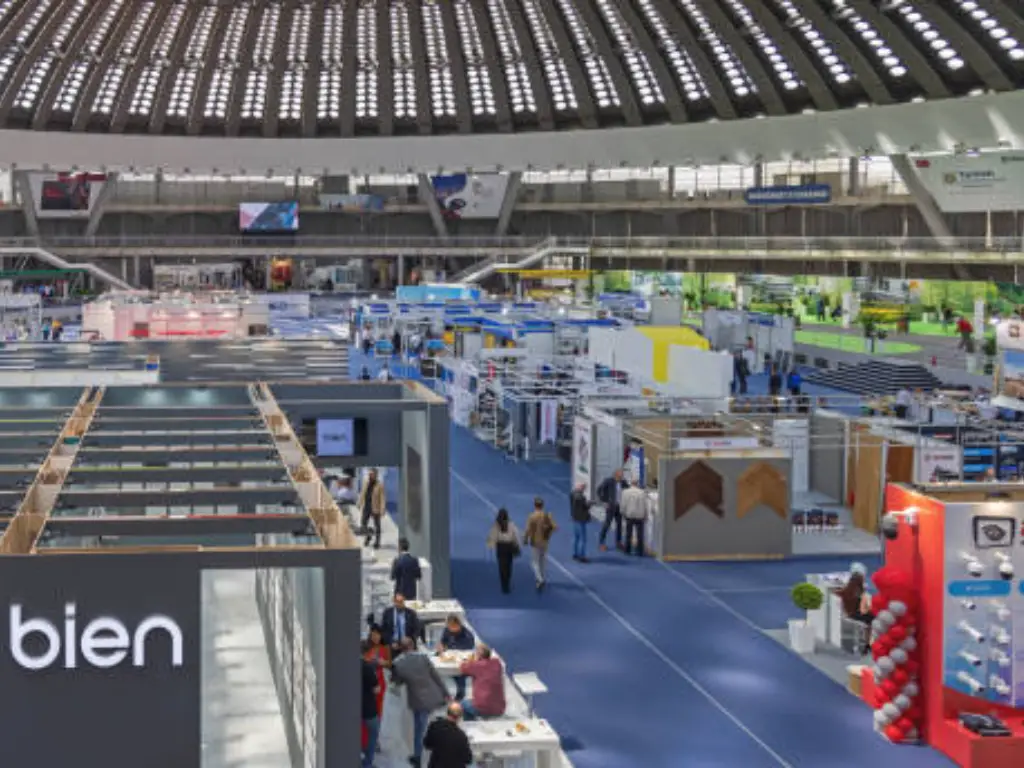
a 200,000-square-foot exhibit hall that can accommodate up to 1,000 10'x10' booths.
planners can choose from Expo Hall, TECO Arena, Entertainment Hall, equestrian rings, and outdoor spaces ranging from 5,000 to 87,000 square feet — a useful reference point when sizing a project.
Where Tampa shows actually happen
The CURRENT Hotel.
The Westin Tampa Bay is one of the anchors.
Who handles what during the Tampa install window
There is no single labor model for Tampa trade shows.
The current public meetings sections reviewed for Saddlebrook, the Vinoy, and Opal Sands publish meeting-space facts and planner messaging, but no blanket union-only or outside-labor rule was verified on those public sections.
Exhibit Storage and Refurbishment frequently asked questions
Do you work at Grand Hyatt Tampa Bay?
Yes.
How does labor work in Tampa?
It runs venue by venue. The public Tampa Convention Center planning section confirms venue-side utility infrastructure and on-floor service functions, so exhibitor utility and operational scopes should be confirmed early with the venue and show organizer.
How much lead time is ideal?
Custom builds run best with 16 to 20 weeks of lead time. Rentals take 8 to 12 weeks.
What information kicks off a project?
The show, the venue, the booth number, the dates, and a target budget range. From those, an initial scope and a realistic cost come back within a few days.
Who runs the booth on-site?
One named show-site lead runs the install, the show hours, and the strike. That person carries the floor plan and the punch list from crates to doors and reports up once a day.
Can the booth travel to the next city on our calendar?
Same structure, swappable graphics, standard crates.
What happens if something breaks during show hours?
The on-site lead handles it.
Next step
Pressure-test Exhibit Storage and Refurbishment before move-in
Send the venue, dates, and where materials arriving in the wrong order, missing target windows, or sitting in the building without a usable unload sequence is starting to show up so the scope can be designed around delivery windows, crate flow, target arrival timing, and outbound paperwork that can survive venue pressure.