Trade Show Labor Coordination is about turning the labor plan into a usable sequence. The scope lives in crew-call timing, task ownership, change absorption, and the small execution decisions that determine whether the floor feels organized or expensive.
That puts it next to Shipping, Drayage, and Material Handling in the buying conversation, but not on top of it. Labor coordination is about making the crew productive; the broader field-supervision choice is about who owns the whole room when several pressures collide at once.
In Tampa, this service matters most when install hours are compressed or the booth mix is complicated enough that loose crew direction will create dead time almost immediately.
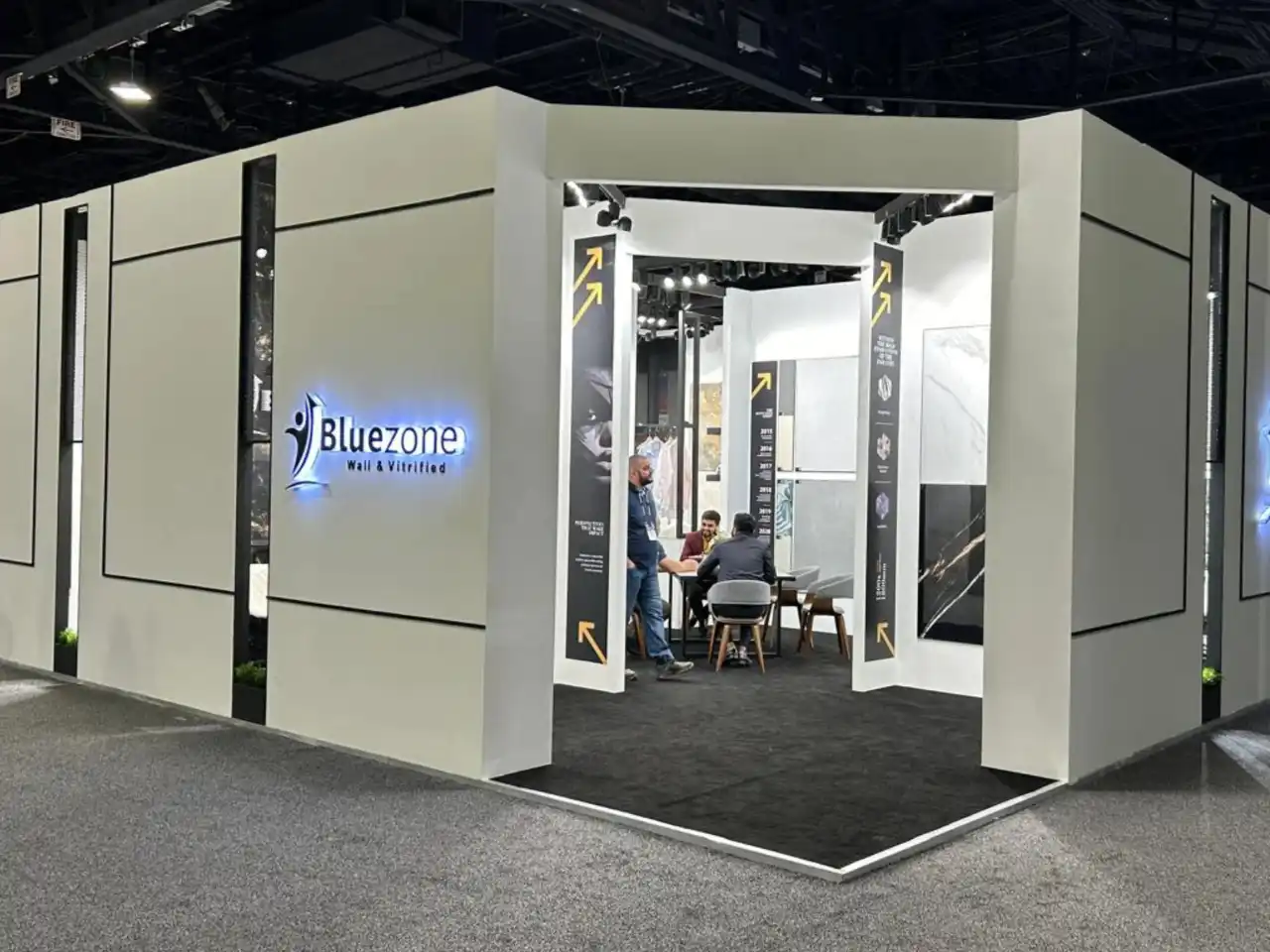 Focus areas
- Crew-call timing tied to the real floor sequence
- Task ownership that keeps install and strike productive
- Fewer dead periods created by unclear labor direction
- A labor plan built for the booth mix and the venue path
The Tampa event landscape
Tampa runs one of the busiest trade show calendars in the region. Convention weeks stack close together, hotel blocks compete for the same nights, and the venues themselves shape what is possible on the floor.
Exhibitors pulling back on budget in Tampa still have to show up in the same booth neighborhoods as their competitors. Scope gets tighter; standards don't. The booths that land well are the ones built on a specific plan, not a generic template.
planners can choose from Expo Hall, TECO Arena, Entertainment Hall, equestrian rings, and outdoor spaces ranging from 5,000 to 87,000 square feet — a useful reference point when sizing a project.
Saddlebrook’s meetings section promotes over 95,000 square feet of flexible event space north of Tampa.
The buildings that host Tampa events
Different Tampa venues mean different floor plans, different labor rules, and different freight realities.
Seminole Hard Rock Hotel & Casino Tampa.
How Tampa floor operations work
Labor in Tampa runs venue-by-venue, not citywide. Each building publishes its own rules for who handles what on the floor.
The workable version of Tampa labor planning is boring on purpose: read the manual, match the scope to its categories, order what the venue sells directly, and schedule everything else around its posted windows. Surprises almost always trace back to a step someone skipped.
Florida is a right-to-work state, which supports an open-market labor baseline rather than a venue-wide union mandate by default.
Trade Show Labor Coordination frequently asked questions
Do you work at the Vinoy Resort & Golf Club?
Yes. The resort offers 70,000 square feet of event space across grand ballrooms and open-air terraces in downtown St. Petersburg. It is a high-end surrounding-market option for waterfront conferences, incentive events, and sponsor hospitality programs west of Tampa Bay.
How does labor work in Tampa?
It runs venue by venue. The fairgrounds publicly routes planners through Event Rentals, Venues, Catering, and FAQ sections, which indicates venue-managed planning workflows rather than unrestricted vendor assumptions.
How much lead time is ideal?
Custom builds run best with 16 to 20 weeks of lead time. Rentals take 8 to 12 weeks.
What information kicks off a project?
The show, the venue, the booth number, the dates, and a target budget range. From those, an initial scope and a realistic cost come back within a few days.
Who runs the booth on-site?
One named show-site lead runs the install, the show hours, and the strike. That person carries the floor plan and the punch list from crates to doors and reports up once a day.
Can the booth travel to the next city on our calendar?
Same structure, swappable graphics, standard crates.
What happens if something breaks during show hours?
The on-site lead handles it.
Next step
Pressure-test Trade Show Labor Coordination before move-in
Send the venue, dates, and where too many unresolved handoffs reaching the floor at the same time is starting to show up so the scope can be designed around decision ownership, venue timing, vendor sequencing, and the points where the week can stop moving if nobody is clearly in charge.