Tampa Museum of Art should be approached as a cultural venue, not a generic rental room. The building carries its own identity, which means the event has to cooperate with that identity instead of trying to overpower it.
Compared with the art, the art makes more sense when the program wants design credibility, a civic tone, and a room whose atmosphere does part of the communication work.
That makes it a strong venue for brands or organizations that want the setting to feel intentional and a weaker venue for teams that need the room to disappear behind heavy scenic treatment.
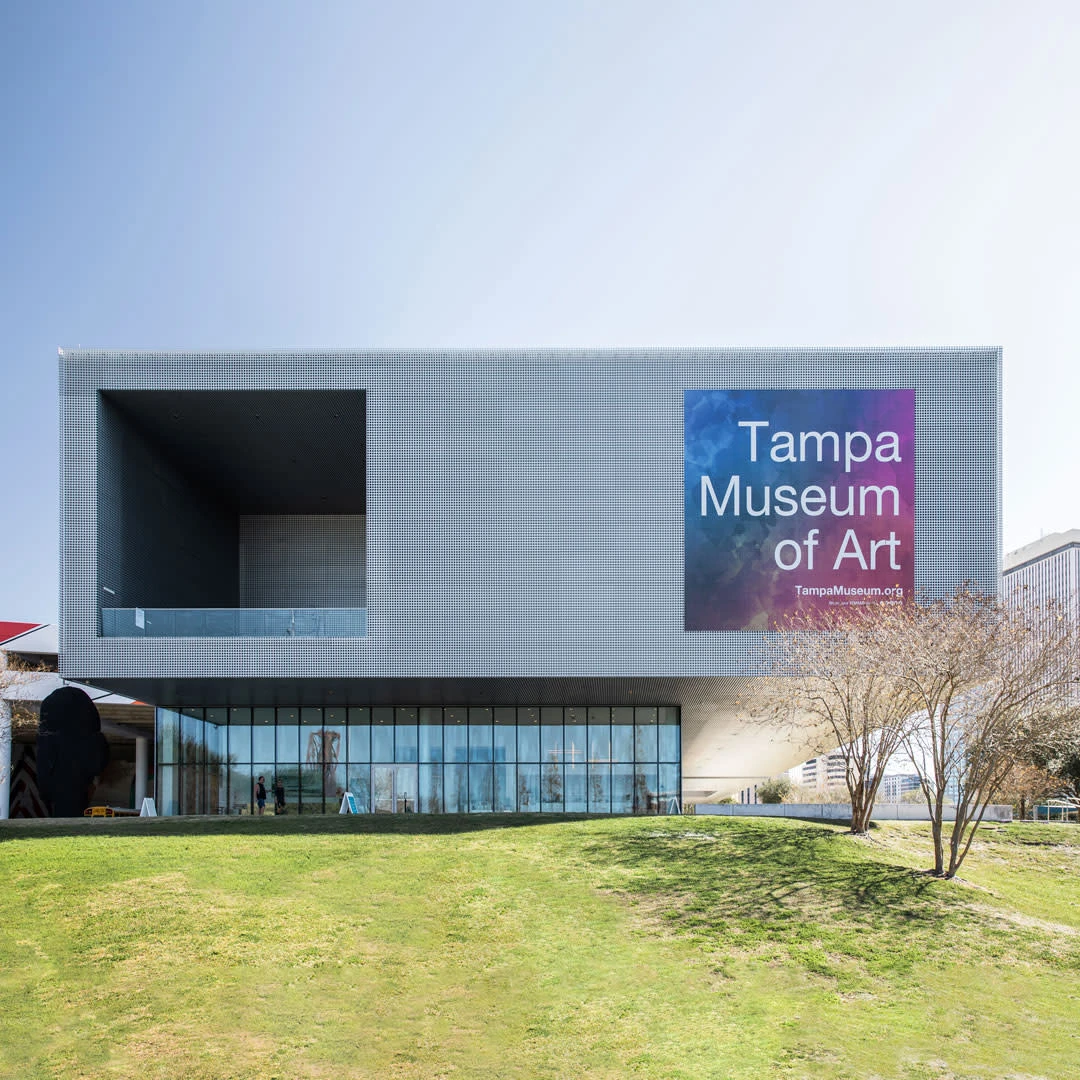 Focus areas
- Experience-led venue with a civic and cultural tone
- Architecture that shapes the program before decor is added
- A building that rewards restraint and clear design choices
- Event planning that cooperates with the venue identity
Tampa Museum of Art at a glance
Tampa Museum of Art shows up on our Tampa production calendar often enough that we know the building.
Located at 120 W Gasparilla Plaza, Downtown Tampa / Riverwalk.
On any the art project, the first step is pulling the current exhibitor manual and confirming the service-order deadlines, dock windows, and any rigging approval path. Design decisions come after those are locked.
Scope at Tampa Museum of Art
Individual projects layer or remove items based on scope.
a bad one has many, because they weren't.
Who handles what during the Tampa install window
On most Tampa shows, the labor plan takes one call with the venue's exhibitor services desk, one review of the current manual, and one email to the general contractor. Skipping any of those three is usually where problems start.
The public Tampa Convention Center planning section confirms venue-side utility infrastructure and on-floor service functions, so exhibitor utility and operational scopes should be confirmed early with the venue and show organizer.
Tampa Museum of Art frequently asked questions
How does labor work in Tampa?
It runs venue by venue.
How much lead time is ideal?
Custom builds run best with 16 to 20 weeks of lead time. Rentals take 8 to 12 weeks.
What information kicks off a project?
The show, the venue, the booth number, the dates, and a target budget range. From those, an initial scope and a realistic cost come back within a few days.
Who runs the booth on-site?
One named show-site lead runs the install, the show hours, and the strike. That person carries the floor plan and the punch list from crates to doors and reports up once a day.
Can the booth travel to the next city on our calendar?
Same structure, swappable graphics, standard crates.
What happens if something breaks during show hours?
The on-site lead handles it.
Next step
Turn Tampa Museum of Art into a working venue plan
Share the footprint, schedule, and known service requirements so the room can be tested against special event venue access rules, service channels, and attendee movement that need to shape the event plan from the start before it reaches the floor.