On-Site Project Governance is the discipline that prevents the floor from turning into a group chat. In Tampa, that matters because the venue, the vendor stack, and the client can all start pushing decisions at the same time once the room is active.
This is not abstract management language. It is the practical job of holding approvals, timing, and issue resolution in one visible path so the crew does not have to guess who owns the next move.
The strongest version of the work leaves the project feeling steadier than it did before load-in: fewer stalled questions, fewer duplicate calls, and fewer live corrections that have to be untangled later.
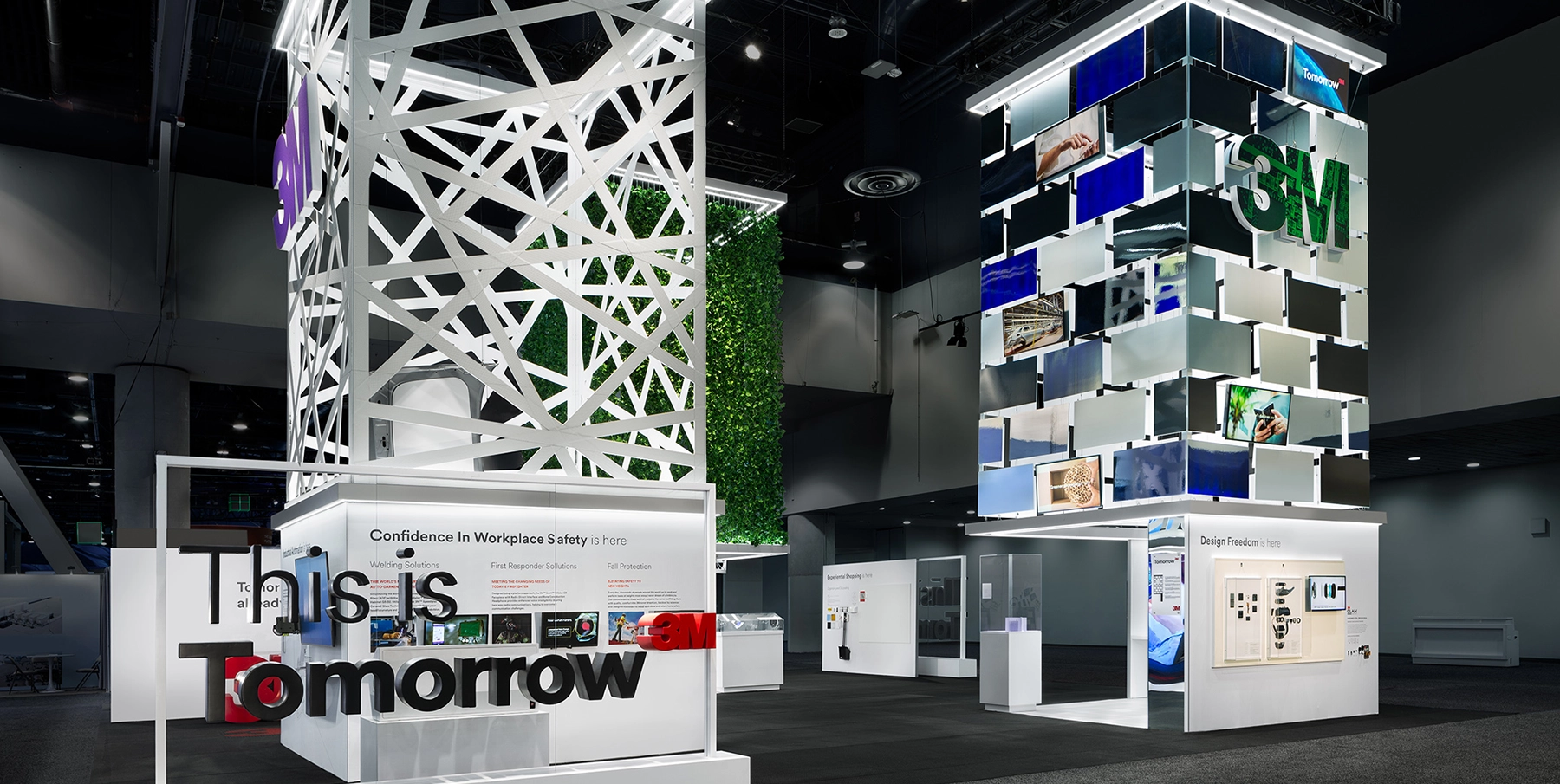 Focus areas
- One live decision path for venue and vendor issues
- Clean approval notes that survive the rush of move-in
- Fewer duplicate answers from different stakeholders
- A room that stays legible while the schedule gets tight
Tampa as a trade show city
Trade show weeks in Tampa compress decisions.
Visit Tampa Bay describes the Tampa Convention Center as a 600,000-square-foot waterfront meeting and convention facility — a useful reference point when sizing a project.
Where Tampa shows actually happen
the plan has to match the specific building.
Tampa Marriott Water Street: tampa Marriott Water Street in Water Street / Downtown Tampa with 50,000 square feet of meeting space, a largest room of 17,169 square feet, 36 meeting rooms, 719 guestrooms.
Embassy Suites Tampa-Downtown Convention Center is one of the anchors.
Hilton Tampa Downtown.
Who handles what during the Tampa install window
There is no single labor model for Tampa trade shows.
The public Tampa Convention Center planning section confirms venue-side utility infrastructure and on-floor service functions, so exhibitor utility and operational scopes should be confirmed early with the venue and show organizer.
On-Site Project Governance frequently asked questions
Do you work at the Westin Tampa Bay?
Yes.
How does labor work in Tampa?
It runs venue by venue.
How much lead time is ideal?
Custom builds run best with 16 to 20 weeks of lead time. Rentals take 8 to 12 weeks.
What information kicks off a project?
The show, the venue, the booth number, the dates, and a target budget range. From those, an initial scope and a realistic cost come back within a few days.
Who runs the booth on-site?
One named show-site lead runs the install, the show hours, and the strike. That person carries the floor plan and the punch list from crates to doors and reports up once a day.
Can the booth travel to the next city on our calendar?
Same structure, swappable graphics, standard crates.
What happens if something breaks during show hours?
The on-site lead handles it.
Next step
Pressure-test On-Site Project Governance before move-in
Send the venue, dates, and where too many unresolved handoffs reaching the floor at the same time is starting to show up so the scope can be designed around decision ownership, vendor timing, live approval paths, and the operating choices that should be settled before the week fragments.